MAPS · The 26-Week Jazz Bass Method · with Cole Davis
For upright and electric bassists who want to walk and solo through any tune
Get on the early-bird list for the next 26-Week MAPS cohort
It starts in November. The early-bird list hears first.
MAPS runs as a small group, so I get to hear every player and tell you what I hear in your own playing. Add your name and you'll hear about the next cohort from me before anything goes public.
Put me on the early-bird list
Free to join. I'll send you the invite when doors open, before anything goes public.
By joining, you'll get Cole's emails about the next MAPS cohort, plus bass tips from Better Bass Lessons. Unsubscribe anytime.
What you're getting in line for
Six months. Two maps. From lost in the changes to walking and soloing through a tune.
26 weeks, two maps. The Walking Map comes first, so your lines stop sitting on roots and fifths and start moving through the changes. Then the Solo Map, for the moment someone turns to you and says “you take it.”
A live call every other week. You play, I listen, and we work on what's actually happening in your playing. Every call is recorded, so if you miss one, you can catch up.
A private WhatsApp group for the cohort, where you post questions and clips between calls.
My eyes on your playing the whole way. You send me clips, and I tell you exactly what I hear and what to work on next. That's why I keep the group small.
Electric or upright. The method is the same on either instrument. Bring whichever you play.
From my students
Stories from the last cohort
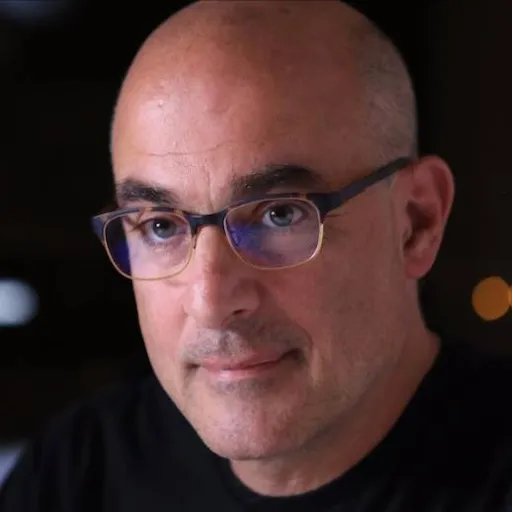
David · upright · back for his second round of MAPS
David came back for a second round of MAPS. Before, in his words: “I tended to rely too heavily on roots and fifths. I could keep a basic walking line going, but I often felt as though I was moving from chord symbol to chord symbol rather than hearing and creating a connected musical line.”
On one of our calls this summer, I told him: “the last time we did this, you couldn’t really walk a bass line consistently, and now you can.”
Here’s how he describes it now: “I’m now much more willing to move away from roots and fifths and experiment with chromatic and intervallic movement. I can create a walking line over a tune I don’t know and keep a stronger rhythmic drive, even when I’m not completely secure in the changes.”
And on the format: “Sending clips meant I had to actually play and show where I was, rather than simply understanding an idea intellectually.”
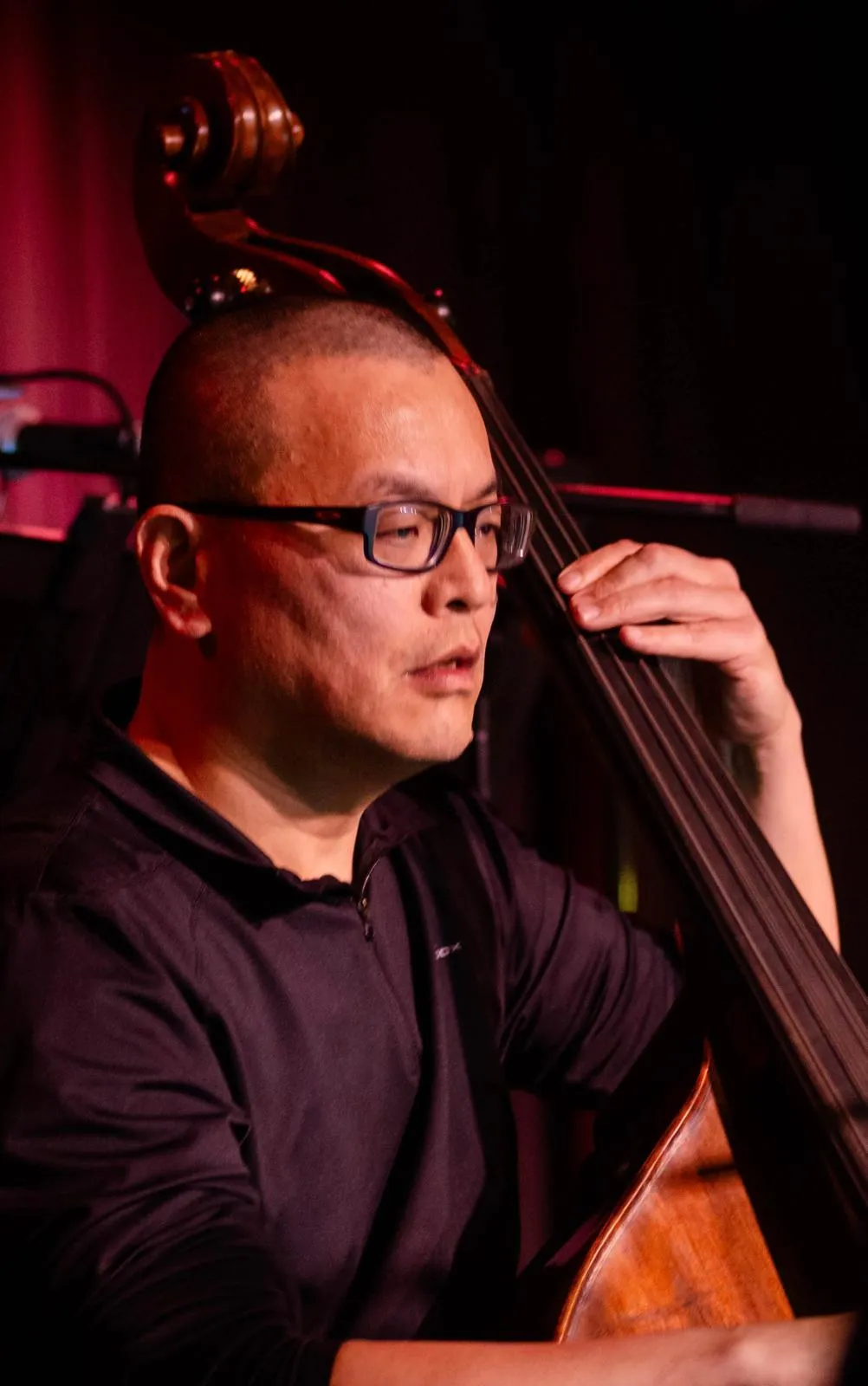
Jake · electric & upright
Jake could already get called to play. On one of our calls he told me, “I walk well enough that some people will ask me to play with them. Even though my bass lines are just like 1-3-5-7.”
He’d also bought my Paul Chambers book and gotten stuck: “I worked on this lick for a long time. But that’s where I stopped. I stopped at lick one because I didn’t know how to go on with this.” So I had him turn that lick into a bass line right there on the call.
A few weeks later he played for us on electric, and I told him: “By far the clearest I’ve ever heard you play.”
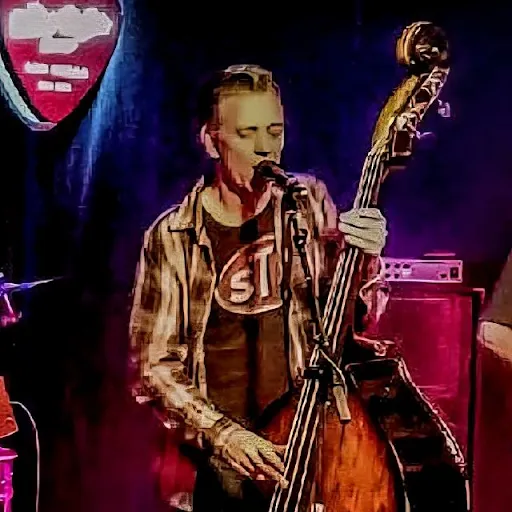
Rob · upright · came up on rockabilly and country
Rob came up playing rockabilly and country. When he introduced himself on our first call, he said, “I don’t know much about theory, a little bit of theory.”
A couple of weeks in, he played for us and got turned around in the form. “I got lost, but I tried to,” he said. I told him, “But you were in the right spot.”
By September, after one of his videos, I told him: “These past few weeks have represented the first times I’ve heard you play where it really sounds like jazz.”
Hear it from the players who took it
Different ages. Different decades on the instrument.
“I sat in at my local jazz club and played Blue Bossa, the same thing over every chord change, because that’s all I knew. I never sat in again, because I knew I didn’t do it justice. Now I understand what professional jazz bassists are doing, and I have the tools to do it.”
Dan S. · Rock, R&B & funk player
“I felt outside the music, like I was reading a chart the way you’d read a book, just focusing on the letters without understanding the plot. Now I have practical tools to indwell the music. Cole listens, then understands the exact next step you need to take.”
Richard L. · Came in from outside jazz
“MAPS gave me a new framework, a method for improvising in a very simple, clear way. It shifted my playing in a significant way. I feel more agile and melodic.”
David · 70 · 35 years playing
“Cole demystifies complicated topics into easy concepts and shows a clear, actionable path. The walking-line development alone has me playing with more control, and far more effective in a jazz group.”
Jim · 58 · 40 years playing
“Cole has a real knack for pragmatic, actionable methods. I’m finding the notes I’m hearing, consistently, in different positions on the neck.”
Alec · 59 · about 30 years playing
“He gets to the essence of raising your playing toward a professional level. Listen internally, then map it to the fingerboard. That idea changed how I practice.”
Charlie · 81 · playing since 2006
About me
I'm Cole Davis
I'm a working bass player on the New York scene, electric and upright. I studied with the great Ron Carter at Juilliard, I'm a Ron Carter competition winner, and I wrote The New Simandl, a hybrid upright method.
Cole
Questions
When does it start, and what does it cost?
The next cohort starts in November. The exact date and the price come with my invite, and the early-bird list hears first.
What does joining commit me to?
Nothing. It's a free list. I'll send you the invite when doors open, and you decide then.
Who is this for? Am I ready?
If you can play a major scale, read a basic chart, and hold down a blues without thinking about it, you're ready. You don't need to be “good” yet. Most of my students come in having played on and off for years, sometimes decades, and feel stuck. That's who I built MAPS for. David put it well: “You don’t need a formal musical education, but you do need to be curious, willing to record yourself, accept feedback, and keep experimenting.”
Electric or upright?
Either. The method is the same on both instruments. Bring whichever you play.
Get the invite first
Free to join. I'll send you the invite when doors open, before anything goes public.
By joining, you'll get Cole's emails about the next MAPS cohort, plus bass tips from Better Bass Lessons. Unsubscribe anytime.
© Better Bass Lessons. All rights reserved.